The 2 Best Microfiber Cleaning Cloths of 2025
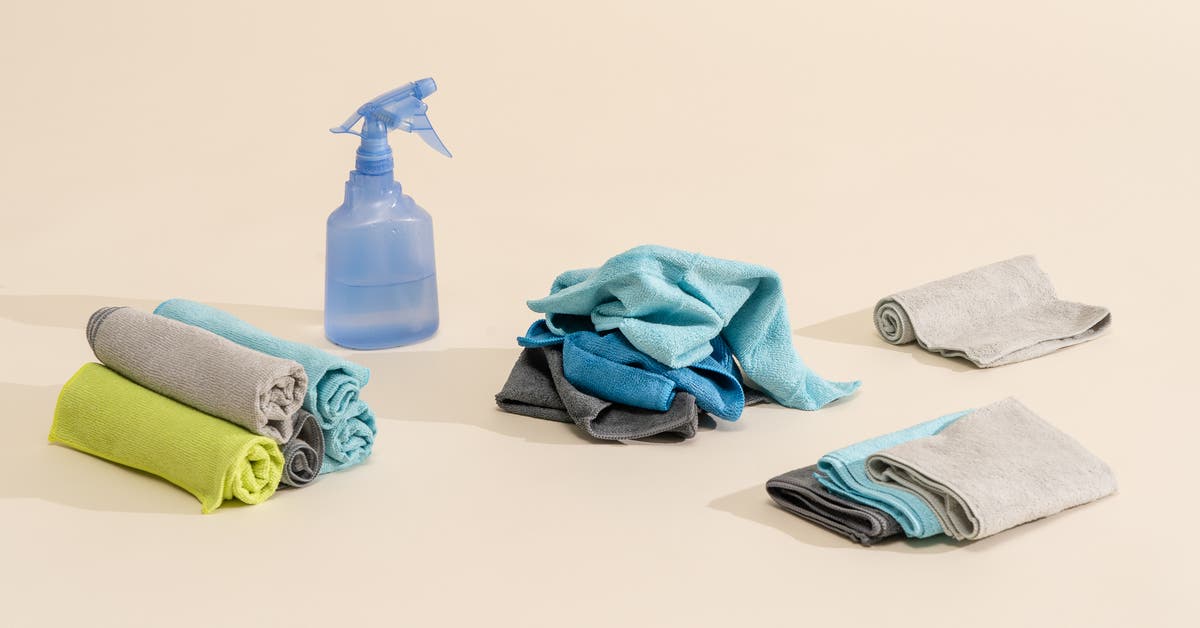
Follow the washing guidelines: Microfiber cloths catch tiny debris at all times—even in the wash. So most manufacturers recommend washing them solo. You can use soap or detergent, but fabric softener, bleach, and heat will damage the material. In our testing, after we put a cloth through a cycle in the dryer on a hot setting, the texture changed, as the fibers seemed to melt slightly and become a little sticky. Hang your cloths to air-dry.
Exercise proper care to help offset microplastic shedding: “No bones about it—microfiber cloths are made from plastic, and they definitely shed microplastics,” said Katie Okamoto, Wirecutter’s editor of sustainability coverage.
Katie said that microfiber cloths shed more plastic than most other fabrics, which has potential health and ecosystem effects. To cut down on the amount of shedding, use a laundry bag or install a machine filter specifically designed to capture microplastics. With proper maintenance, the reusability of microfiber cloths helps balance out their environmental costs to some degree. “A little reusable plastic around the home, even if it’s shedding, will be a small amount of pollution in the grand scheme of things, if you hold on to them for years,” Katie said.