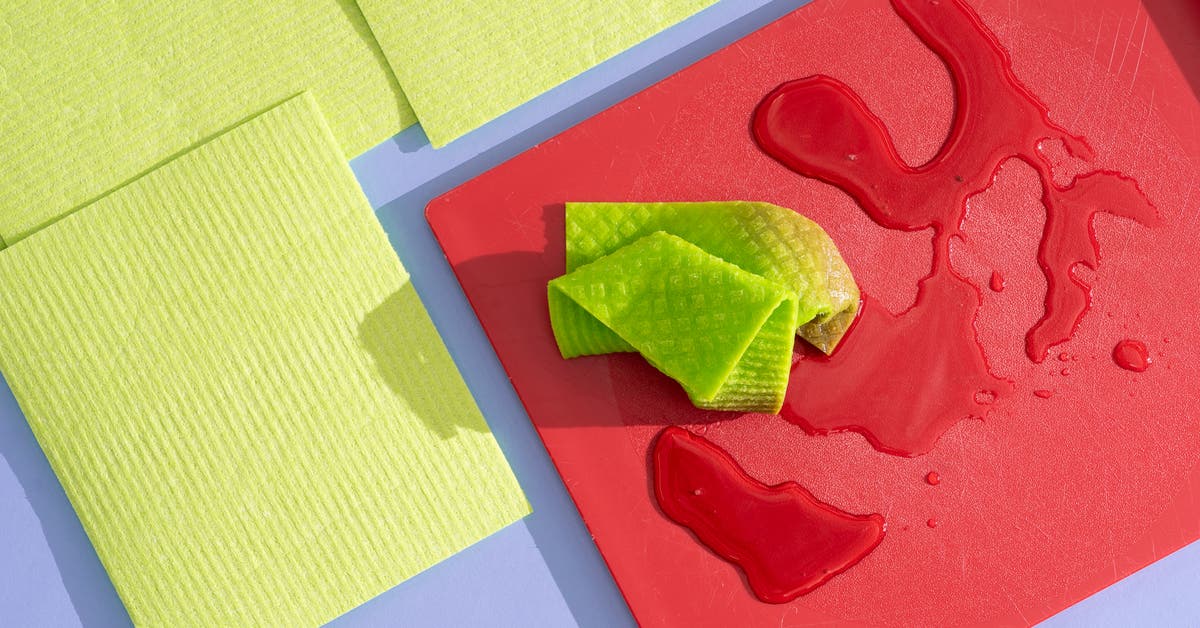
The Best Swedish Dishcloth of 2025
Microfiber cloths are made from plastic, which ultimately means that they’re derived from fossil fuels. They’re a viable paper towel replacement, and they’re less expensive than Swedish dishcloths, but they have some environmental disadvantages.
They’re cheaper. Our microfiber cloth pick comes in at around 60¢ per cloth. One If You Care cloth is double that price.
Microfiber can catch microbes. Researchers have demonstrated that microfiber cloths are significantly more effective at removing disease-causing bacteria than cotton cloths, partly because of their static attraction and partly because the edges of the tiny fibers act “like a carpenter’s plane, peeling off deposits,” according to another study. One research group tested microfiber cloths from different brands and found that all nine reusable cloths performed similarly well at removing microbes, no matter their price. Just be sure to wash yours afterward.
They last about the same amount of time. Both microfiber cloth manufacturers and the company behind our Swedish dishcloth pick estimate that their cloths last about 300 washes. A healthcare hygiene study out of the UK found that the performance of the microfiber cloths the researchers tested actually improved over time, up to a point: “After repeated washing, re-usable cloth performance improved at 75 washes, and reduced after 150 washes, although, in most instances, performance after 150 washes was better than at first wash.”
Microfiber absorbs less water. Microfiber cloths are slightly less absorbent than Swedish dishcloths: Our microfiber cloth pick absorbed 31 tablespoons of water, in contrast to the If You Care dishcloth’s 36 tablespoons. They also dry much more quickly—in our experience, microfiber cloths took two hours to dry, while the Swedish dishcloths were still damp after six hours.
Microfiber sheds microplastics. “No bones about it—microfiber cloths are made from plastic, and they definitely shed microplastics,” said Katie Okamoto, Wirecutter’s editor of sustainability coverage. Our Swedish dishcloth pick does not contain plastics, micro or otherwise. If You Care uses the substance mirabilite for absorbency, according to Davis. Mirabilite is a crystal that forms naturally in saline lakes.