10 Ways to Make Your Washing Machine Work Better
The dark, damp crevices in a front-load washer can grow mildew and start to reek over time. Mold thrives in the folds of the door gasket, the space behind the detergent drawer, and even in the drain trap (more on that later).
But any high-efficiency washer can develop a sticky biofilm, thanks to low water levels and cold-water washes. “People just have got to accept that the new washing habit has to include a clean washer cycle,” Farrington added, before noting that he regularly forgets to do it himself.
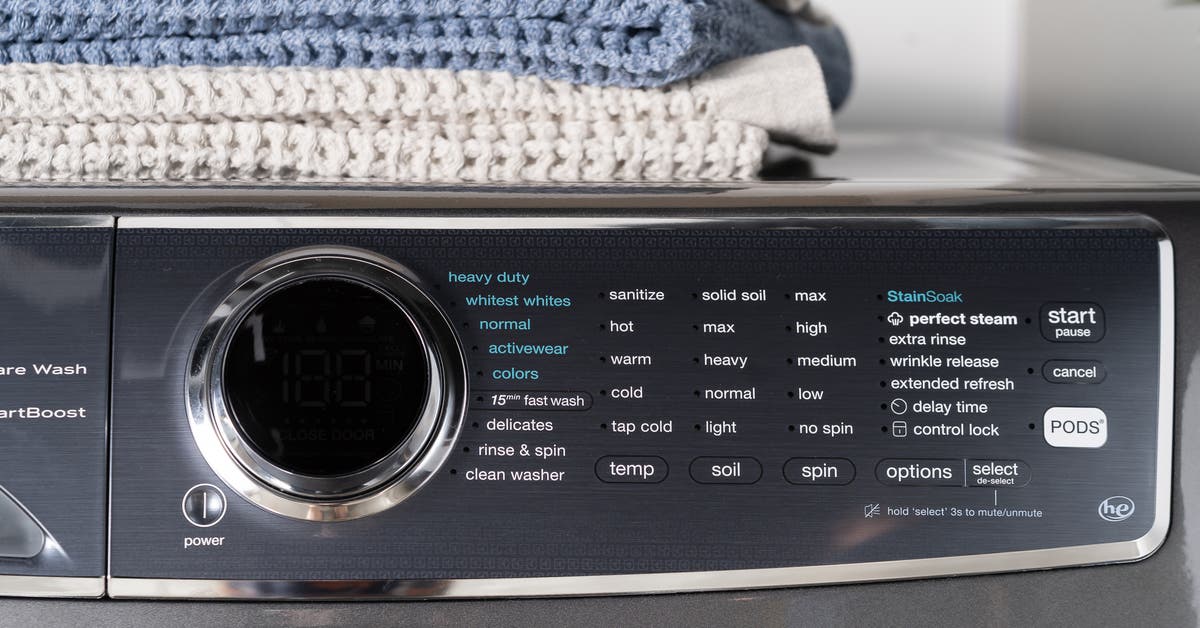
Most high-efficiency washers have a dedicated self-cleaning cycle, a long, hot program meant to be run with an empty tub and a specialized cleaning product. Chlorine bleach can work, but most of the products formulated specifically for cleaning a washing machine, like Affresh Washing Machine Cleaner, are foamy and acidic, which makes them better at dissolving, lifting, and then capturing detergent residue and organic growth, as well as any hard-water buildup.
You still need to take a few manual steps to clean your machine, like wiping gunk out of the detergent drawer and door gaskets and emptying the drain trap if you have one. But an occasional self-cleaning cycle can help keep the foulest stuff at bay.
Even if your washing machine doesn’t have all the modes and settings that we’ve laid out here, it should have most of them — and now you have an idea of what’s possible in the next washer you buy, too.
This article was edited by Megan Beauchamp and Maxine Builder.