Ask Wirecutter: My Kid Was Recently Diagnosed With Food Allergies. What Do I Do Now?
Eating out invites additional — but manageable — risk. You can help reduce it by preparing ahead and by empowering your child to advocate for themself from an early age. Experts say it’s important to teach kids the habit of asking about what’s in foods before eating and avoiding any foods they’re unsure about.
The good news is that allergy protocols at most kid-centered places, such as schools and camps, are standard. But it’s also your job to notify teachers, coaches, staff, and other parents about your kid’s allergy, including symptoms to look for and medications to have on hand. This is part of that whole “it takes a village” thing to keep your kid safe.
When you’re going out to eat at a restaurant, you can do a few things to position yourself well for a drama-free meal and to help staff help you.
- Become a regular. Poblete has a number of restaurants in her neighborhood where staff know her. She says she has already put the work into vetting their safety by talking to the manager and chef. But still, it’s best to always ask in case of any changes.
- For new-to-you restaurants, call or email ahead to confirm they can accommodate you. Be efficient and direct: Ask what you need to know without a ton of preamble, to ensure you’re communicating clearly and getting the most accurate answer.
- If you’re eating somewhere that uses the allergen but says they can accommodate the allergy, visit during off-peak hours when possible. If the staff is slammed, things are more likely to slip through the cracks.
- Bring a chef card, which lists out your kid’s specific allergies and helps communicate clearly with restaurant staff. FARE has free printable templates in a number of languages. Writer Lesley Stockton is a former line cook who really appreciated when a chef card would get sent back to the kitchen. “I found those cards incredibly helpful,” she says. “They really took the stress out of cooking with allergy restrictions because I never ever wanted to accidentally make someone have a reaction.”
In environments where allergens may be present, it’s a good idea to wipe down surfaces your kid may touch to reduce the risk of an allergic reaction. A wet wipe can be used while on the go to clean areas like tabletops and armrests.
Before dining, it’s a good idea to wash or wipe your kid’s hands, too, since children are prone to putting their hands on their faces and in their mouths. These precautions can help prevent accidental allergic reactions. And unfortunately, this is a case where hand sanitizer is not a good substitute for handwashing or wipes; it can’t fully remove the proteins that cause the allergic reaction.
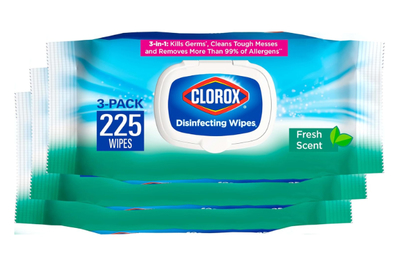
Remove food proteins from surfaces without needing a spray bottle or water.

Remove food proteins from your hands when you can’t get to the sink.
No matter how much you prepare, it might turn out that your chosen restaurant isn’t safe after all. Packing a back-up meal or snack, like a nut-butter (or nut-free-butter) sandwich on gluten-free bread, provides a nutritious and filling backup meal that will last for several hours without refrigeration. This kind of preparation can help keep everyone happy (because hungry kids are cranky kids — and so are their parents).
Alison Rochford, a writer who has severe food allergies and whose children have celiac disease, has several great tips and product recommendations for toting snacks and meals and for preparing to cook in someone else’s kitchen. One essential product she recommends is a cooler bag, like the Fit & Fresh Foundry Lunch Bag Set, which can do double duty to keep medication at a safe temperature.
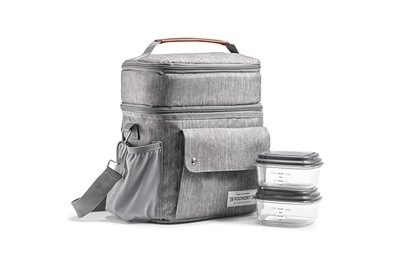
This cooler bag holds a day’s worth of food, but it’s small enough to bring just about anywhere.
You may also want to pack a lunch box with a few small containers of seasonings and sauces, so your kid won’t feel left out if eatery toppings turn out to be off-limits. Alison likes the Ello Reusable Condiment Containers, and she even fills them with gluten-free sprinkles, making an impromptu stop for ice cream just a little more inclusive and fun.
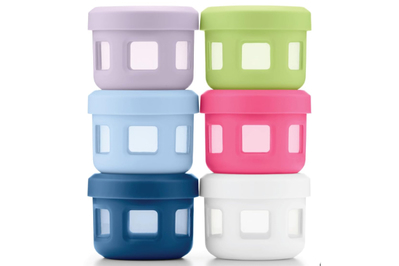
You can use these leakproof containers for condiments, spices, or even small snacks.
Alison also likes bringing reusable plastic straws from Ello for a surprising reason: Often, paper straws contain wheat, so they’re a no-go for many people with gluten allergies. These ideas just scratch the surface and are exactly the kind of advice you can get from an engaged allergy support group.

These plastic straws are as easy to clean as they are to pack. And they come in fun kid colors.