Here’s What to Know About Home Energy Rebates
There are two types of IRA rebates, each with its own specific stipulations. (Both are managed by individual state offices, and you may also be able to combine them with other financial incentives or tax credits.) Here’s a rundown of each:
Home Electrification and Appliance Rebates
Home Electrification and Appliance Rebates (HEAR) cover the purchase and installation of certain Energy Star–certified appliances and are only available to households making up to 150% of their local area median income, a number calculated every year by the US Department of Housing and Urban Development. (You can find your area median income with this tool.)
These programs were primarily designed to make switching from gas to electric appliances more economical for many people, including those who can least afford it, Matusiak said. But some states may choose to extend the rebate program to cover new construction.
Instead of requiring you to file for a refund, the rebates will be deducted by a retailer or contractor from the total cost of an Energy Star–certified appliance and costs associated with installation, rewiring work, and ventilation.
Low-income households (those making below 80% of their area median income) are potentially eligible to have 100% of their costs covered. Moderate-income households (essentially everyone else who is eligible for the rebates) could get up to 50% of their costs covered.
For either tier, rebates are capped at specific dollar amounts:
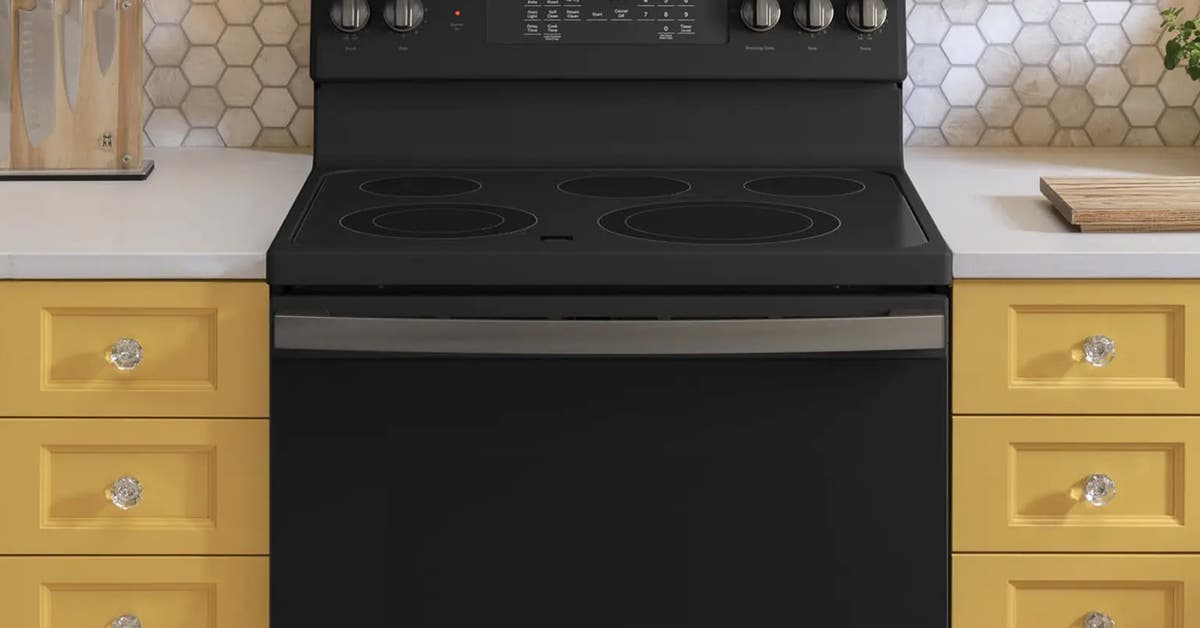
- up to $840 for an Energy Star–approved radiant electric or induction range or cooktop, electric oven, or electric heat pump dryer
- up to $1,750 for an Energy Star–approved heat pump water heater and up to $8,000 for an Energy Star–approved heat pump
- up to $500 for hiring contractors; $1,600 for insulation, air sealing, and ventilation; $2,500 for improvements to electric wiring; and $4,000 for an upgrade to an electric load service center (the box that holds your circuit breakers and distributes electricity from your utility)
- up to $14,000 in total rebates for a single household
The IRA’s appliance rebate programs also apply to landlords and builders of single- and multifamily buildings where at least 50% of the residents are low- or moderate-income households, as well as to those living in US territories, such as Puerto Rico, and to federally recognized tribes. If you rent your home, you may be able to ask your landlord to replace an old gas stove with an electric or induction model in the coming years, especially as more cities pass legislation that limits the installation of gas appliances.
Home Efficiency Rebates
Home Efficiency Rebates (HER) apply to more general certified home-efficiency projects that together reduce an existing home’s energy usage by at least 20%. This could include replacing windows, upgrading your HVAC system, improving insulation, or upgrading your home’s wiring or electrical panel.
The HER program does not have income restrictions, though “lower income residents will receive a higher rebate amount,” said Brian Lips, an energy policy expert for the NC Clean Energy Technology Center and manager of the Database of State Incentives for Renewables & Efficiency (DSIRE). The maximum rebate is $8,000. Even if you don’t qualify for HEAR, you may be able to use the HER program to offset some of the cost of the electrical work required for installation.
Details for acceptable projects will be managed by states, but most will involve starting the process with a home energy assessment by a certified auditor. These are offered as a tax credit through December 31, 2025, and many state governments or utilities already offer them for free (you can search for offers through DSIRE). Most also require that any new products you install in your home (such as new windows) be either Energy Star–approved or meet other efficiency specifications.