It’s Time to Retire the Loofah
Look, it’s okay. This is a safe space to admit that it feels good to scrub every crevice of your body with a loofah. But what even I once thought was a fast track to silky-smooth, exfoliated skin can come at a cost.
To put it plainly: Your loofah might be doing more harm than good.
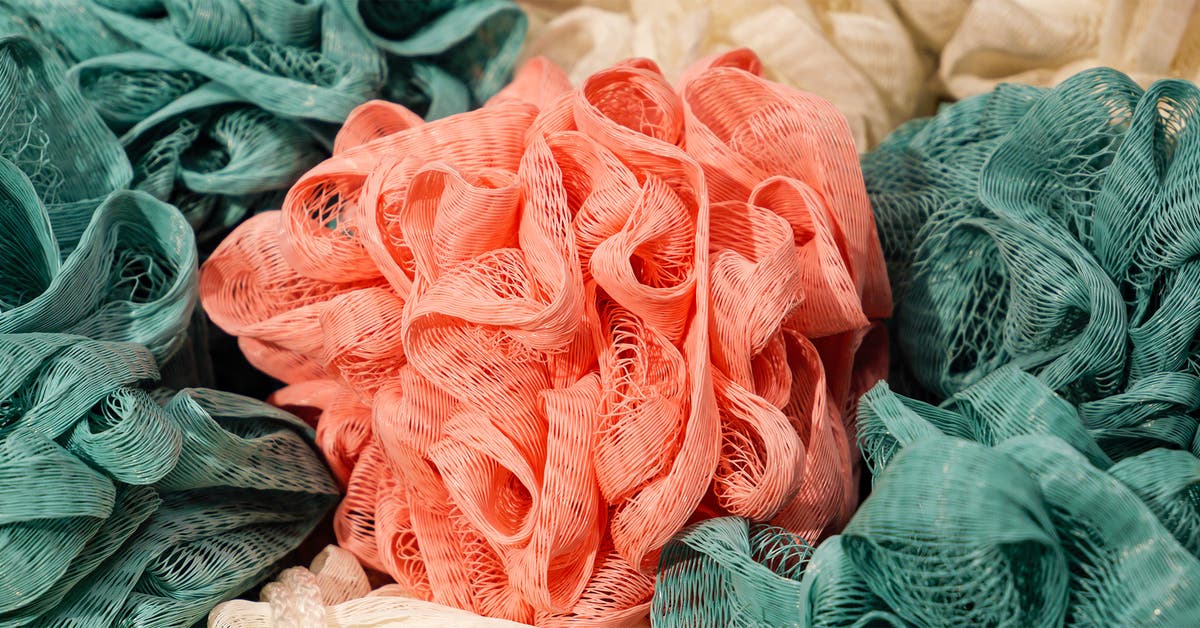
That warm, damp shower your loofah lives in is essentially a microbial hotel. That makes it “basically a petri dish hanging in your shower,” said facial plastic surgeon Lara Devgan. “It traps dead skin cells, water, and bacteria, creating the perfect environment for microbes to thrive. Every time you reuse it, you’re spreading that bacterial film across freshly cleansed skin.” And as a result, using it increases the risk of breakouts and skin inflammation.
Beyond harboring microscopic creepy-crawlies, loofahs can be too harsh on your skin. Depending on how vigorously you scrub, regular use of one can lead to irritation and inflammation. “Over-exfoliation, particularly physically exfoliating with a loofah, can strip the skin of its natural oils and damage the skin,” said dermatologist Toral Vaidya. “This can lead to skin redness, dryness, and sensitivity.”
Devgan explained it to me with a perfect visual: “Think of your skin barrier like a brick wall. Each brick is a skin cell, and the mortar holding it together is made of lipids. When you over-exfoliate with a loofah, you are sanding down both the bricks and the mortar.” The result, she said, is skin that’s more prone to dryness and inflammation.
If you have sensitive skin, acne, eczema, or keratosis pilaris (those little bumps you may find on the back of your arms), a loofah can actually make things worse, because the scrubbing disrupts that skin barrier. You might also be spreading more bacteria, which creates a vicious cycle.
So what should you do if you want to safely exfoliate your body skin without using a rough, bacteria-filled loofah? Try chemical exfoliation instead. Physical exfoliation with a loofah is often more abrasive than a cleanser that has exfoliating ingredients, according to Vaidya. Devgan agreed, calling chemical exfoliation “more elegant and controlled.” AHAs and BHAs, she noted, dissolve the bonds between dead cells, allowing them to shed naturally.
One of our favorite body washes, Odele’s Clarifying Body Wash, contains AHAs in the form of apple extract, glycolic acid, lactic acid, malic acid, and citric acid. Our testers with bumpy and oily skin loved the way its antibacterial, exfoliating properties smoothed out their skin.
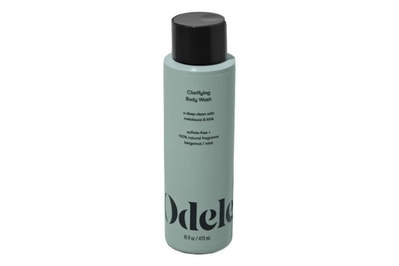
With this AHA-packed cleanser, you can smooth your skin without causing excessive irritation.
As for the tools you should use, your best and cheapest bet is — brace yourself — your hands. For most people, that’s more than enough. If that doesn’t seem practical to you, try a soft washcloth that you plan on washing after each use.
And if you simply cannot fathom the idea of a loofah-less life, treat it like a toothbrush. Keep it clean and dry. “If you choose to use a loofah, replace it frequently (at minimum every few weeks) and avoid sharing it with others,” said Vaidya. “In between uses, store it in a cool, clean space so it can air dry completely.” You should also disinfect it weekly, according to Devgan, which she says you can do by submerging it in boiling, soapy water for two minutes.
Your skin doesn’t need to battle bacteria before your morning cup. So toss the loofah. We test a lot of stuff here, but a petri dish on string won’t be one of them.
This article was edited by Hannah Rimm and Maxine Builder.