My Favorite Hair Care Tool is a Silk Pillowcase
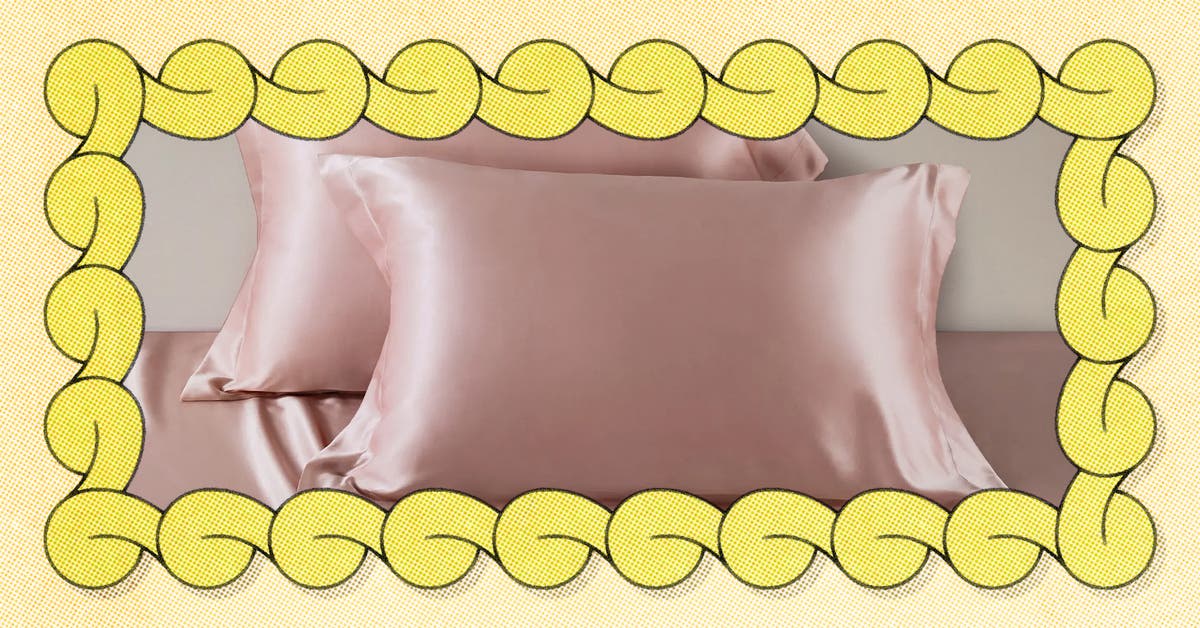
After I slept on seven different pillowcases over the course of a week, I found myself continually gravitating toward was the LilySilk 25mm 6A pillowcase. Almost four years later, I’m still using my original LilySilk pillowcases. While they’re not as silky as they were when I received them right out of the box, they’re still unbelievably soft and luxurious, and haven’t so much as frayed at the seams.
But there were two others that stuck with me as good alternatives to the LilySilk, depending on your needs and sleep-style.
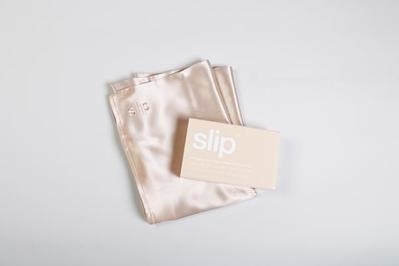
This pillowcase is super-silky — possibly too smooth for restless sleepers.
Even though it has a lower momme count, the 22mm Slip pillowcase is just as thick as the LilySilk. Also made with 6A Mulberry silk, this pillowcase has a satin sheen that didn’t budge, even after its first time being hand-washed. But the pillowcase (true to its name) had a slippery quality that made my head slide off to the side, which meant I had to constantly readjust in the middle of the night. The Slip was also prone to sliding around on the bed, and after a few weeks of use, it looked more wrinkled than the LilySilk.
Some may prefer this pillowcase to the LilySilk because of its super-silky features, but personally I didn’t like waking up with my head on the cotton sheets — and neither did my curls.
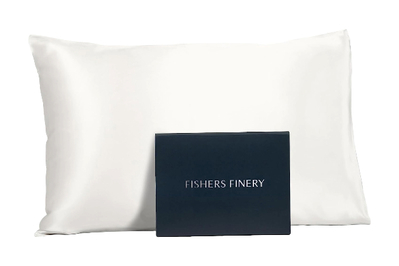
While not quite as soft as more expensive options, this mulberry silk pillowcase still feels luxurious and keeps curls smooth and frizzless overnight.
The Fishers Finery pillowcase, also 25mm 6A Mulberry silk, strikes a good balance between price and quality. Though it’s not as soft as the Slip or the LilySilk, this pillowcase still feels luxurious. It’s heavy and not too slick (it’s not as slippery as the Slip), and it kept my hair smooth and frizz-less by the morning. It’s still pricey by cotton-pillowcase standards, but this one is the best I found for around $50 (and it’s leagues ahead of cheaper cases).
Despite ranging from 19mm to 22mm, the other pillowcases we tried — the J Jimoo, Olesilk, MYK Silk, and Ravmix — were all nearly identical to the touch. These pillowcases, which ranged between $21 and $30 at the time of testing, were soft, but they lacked the weighty quality of their more-expensive counterparts. And they felt more like raw, unfinished silk than smooth and satiny. The thin material of these pillowcases speaks loudly to the difference in quality. However, if you’re on a budget and simply looking for something soft enough to reduce friction for your hair, any of these options would be an upgrade from a traditional cotton pillowcase.
A frustrating reality of silk pillowcases in particular is that most of them are sold individually, not in sets of two. Because this is such a high upfront expense, maintaining your pillowcases — by hand washing and air drying — will become just as important as choosing the right ones for you.
Silk was initially intended for royalty, and in modern times, it still costs more to fully enjoy its luxury. So far, the benefits outweigh the cost for me, and I think my hair, with its healthy sheen, would agree.
The latest version of this article was edited by Rachelle Bergstein.