The 5 Best Roach Killers of 2025
Cockroaches are scavengers. “They’re like the vultures of the insect world,” Koehler said. The best way to take advantage of this natural tendency is to use a bait, which is food laced with a slow-acting poison. Because the poison doesn’t kill instantly, there is time for the roach to spread it to other roaches. Note that all of the ways they transmit the poison are absolutely disgusting. “Adult females will take care of their young by pooping and letting them eat it,” Koehler said. So once the toxin is digested and, ahem, expelled, it still can kill. Additionally, roaches often regurgitate—and that too can be eaten by other roaches. Finally, let’s not forget straight-up cannibalism, in which living roaches will eat the deceased, toxin-infused body of another roach. The beauty of nature is on full display with cockroaches.
Don’t get caught up in the specific active ingredients of the products. After hearing a list of common poisons used in roach baits—including abamectin, hydramethylnon, fipronil, and indoxacarb—Koehler told us that “virtually all of those products should work, if the bait is good.” But, he said, “there is such a thing as bait aversion. Which means that the cockroaches refuse to eat the bait because they detect something in the bait that they find unpalatable.” Understanding this means being ready to switch things up if you’re not having success. Professional pest-control operators rotate to a new bait every few months for exactly this reason. Many pest-control experts (and entomologists at Utah State University) endorse this approach.
The specific type of cockroach you’re targeting isn’t that important, either. American cockroaches, German cockroaches, and Brown-Banded cockroaches are among the most likely to be found indoors. And each of them have their preferences (American cockroaches like sewers and can enter your home through a poorly sealed toilet, according to Koehler). But as long as you’re placing the bait where you’re seeing the roaches, they should be effective.
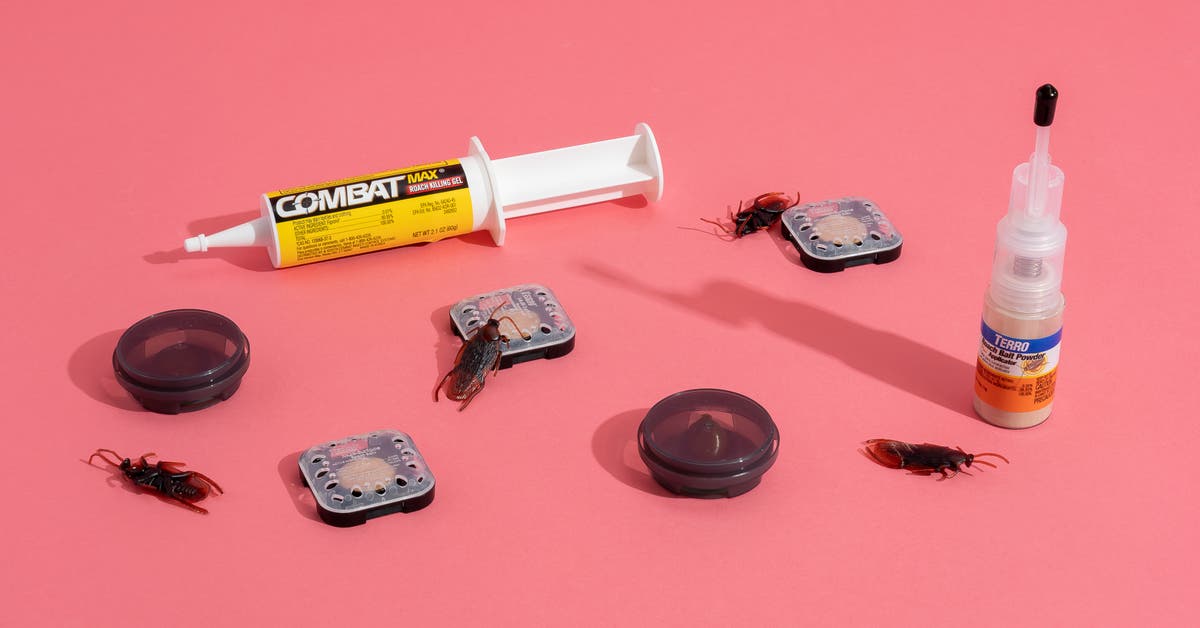
Baits are available in a variety of formats, but bait stations are the easiest to use. And they offer the most security against curious children and pets. Bait stations typically contain a liquid or a peanut butter–like substance mixed with a poison. Using a bait station is as simple as opening it up and placing it where you have seen roaches. The best ones have translucent tops that let you monitor the status of the bait. The downsides of bait stations are that they take up a lot more space than a small squirt of gel or a light dusting of powder, and they can’t be placed directly in a cockroach crack. Texas A&M recommends (PDF) using “at least one bait station within 1 to 2 feet of every suspected cockroach harborage.” If you have a lot of roaches, this could lead to a floor that looks more like a bait-station minefield.
Gels and powders are good too. These baits are similar in that they’re a food mixed with a slow-acting toxin. But they can be placed in a more-targeted and discreet way, making them standard methods in the professional pest-control industry. Gels and powders can be applied directly into the crack or crevice that the roach is living in, thus taking advantage of roach behavior. “Cockroaches are lazy, they’ll eat the first thing they come across,” Koehler said. Bait stations are much easier to use, but we also have recommendations for gels and powders.
We researched all of the commonly available bait stations, gels, and dusts. We made an initial assessment of each one based on company reputation, user feedback, cost, availability, and a general sense of the features. We then tested the most promising candidates.
We looked at usability, not efficacy. Based on what our experts told us, all of the most common active ingredients should be effective at killing roaches. However, by going hands-on with a wide range of the available roach remedies, we were able to discover which products were easiest to handle, monitor, store, and use.
As with any insecticide, handle these products with care. We looked at the Safety Data Sheets of the tested products and did not have any alarm-raising concerns. These products are not classified as hazardous by OSHA. However, it’s always a good idea to take common-sense precautions with placement and use—especially if you have pets and kids in the home.