The Ultimate Guide to Traveling With Your Pet
Some animals are more prone to motion sickness than others, especially in cars. One of the best things you can do is have them travel on an empty stomach. But if that doesn’t stop them from throwing up (or if they’re drooling a lot), ask your vet to suggest an anti-nausea medication to keep them comfortable.
Cleaning up puke is no fun, and even though a good carrier or kennel will contain most messes, you should still consider protecting your car’s interior with a waterproof seat cover or cargo liner. These clip around the head rests, so they stay in place, but a sheet or towels can also work in a pinch. A mini-vac is also great to have in the car. And if your dog is a semi-professional car puker, like mine is, a wet/dry vac will do even more of the heavy lifting during cleanup when you get home.
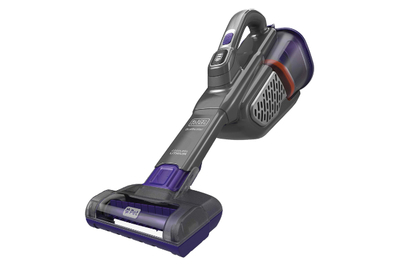
This is the best, most powerful handheld vacuum for collecting pet fur and crud from every kind of surface.

The Ridgid HD1200 wet/dry vac is capable, powerful, and well reviewed. For the size, this vac is easy to lug around, and it comes with a great selection of attachments.
If your animal is a nervous traveler, spraying the car, their carrier, and other new places with a calming pheromone spray — such as Feliway for cats or Adaptil for dogs — might help them relax (or it might not; your mileage may vary). Dr. Wailani Sung, a veterinary behaviorist we spoke to in 2022 about calming your pet during fireworks shows, recommended those two. Your vet can also recommend the appropriate anti-anxiety meds to take the edge off.
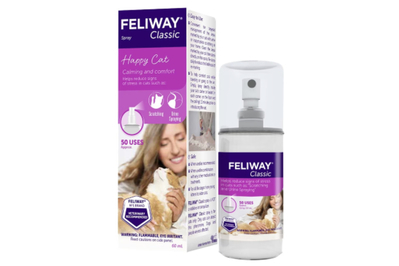
This spray contains an analogue of feline facial pheromones, which may make cats feel less stressed and more at home on the go (or it may not).
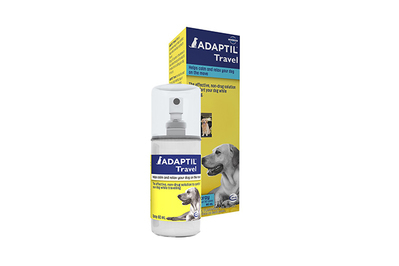
Adaptil can help dogs relax on a trip or in a new environment, through its analogue of a mother dog’s nursing pheromones.
But don’t consult Dr. Google! Your actual veterinarian — with their knowledge of your pet’s medical history — knows better than the internet (which might also tell you to eat rocks). Your vet will also know whether the new meds could interact badly with any existing medications your pet may be on. If you have time leading up to your trip, give your pet a trial run of any new meds, just to make sure they don’t have a negative or an unexpected reaction to the drug. I’ve used sprays, over-the-counter drugs, and prescription meds on my animals during travel, but what works for one pet might not work for another.
If you do use drugs, know that sometimes their effects can wear off before the end of the journey, so be ready to give another pill if the proper dosage allows.
“You also want to keep your car well ventilated,” the American Kennel Club’s Munden said. And a kennel or carrier could help with both motion sickness and anxiety because it limits a pet’s view and creates a den-like space.