Why Finding a Good Deodorant Is So Tricky
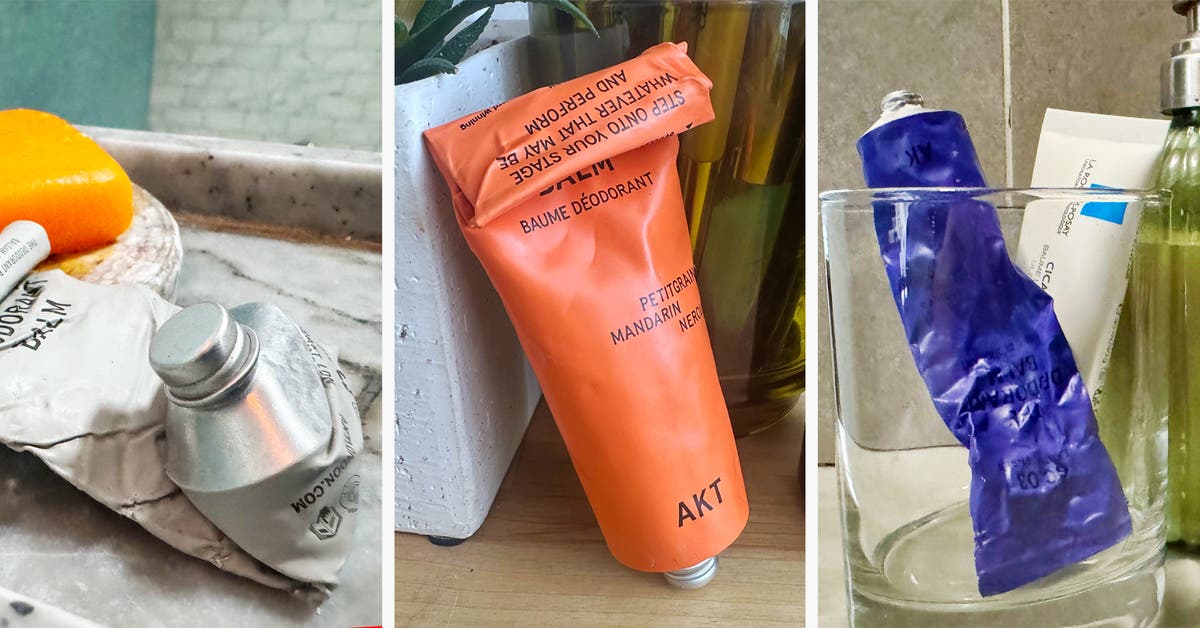
Sure, Akt’s The Deodorant Balm seems uncontroversial enough. Each cheerily colored tube houses a cream-to-powder blend of moisturizers, odor-combating minerals, and sweat-mopping diatomaceous earth and arrowroot. But of the 14 panelists who tried the product, seven rated it somewhere between excellent and perfect, while the rest ranged from disappointed to horrified.
I was firmly in the pro-Akt camp. During my testing period, a single application kept me fresh-smelling and improbably dry through an adrenaline-fueled public appearance in a polyester-lined pantsuit — and that was just the first of the Herculean Labors my tiny tube of the Halcyon Summers scent endured. In the end, I went nearly three days without showering (not a behavior I endorse) and still smelled eerily fine.
The opposing camp was filled with panelists who said they smelled gamy mere hours after applying this stuff, and others who noted a distinct clamminess in addition to breakthrough BO.
The glaring discrepancies likely come down to something tiny: microflora. The word has such a delicate, refined ring to it, you’d be forgiven for picturing some sort of tweezer-applied garnish from The Bear.
But no, Chef.
The term, a common stand-in for the scientifically preferred “microbiota,” refers to the multitudes of tiny organisms we host in and on our bodies. Some fight disease. Others aid digestion. And then there are the armpit dwellers, known mainly as agents of BO. Feasting on dead skin cells — plus the fat and proteins in our sweat — these bacteria release volatile organic compounds that can smell like goats, rotten meat, and onions, among other delights.
While the process remains consistent from person to person, the bacterial blend does not. “Your skin’s microbiome is as individual as a fingerprint,” said cosmetic chemist Kelly Dobos.
And “what works for one person’s chemistry won’t necessarily work for another’s,” noted Papri Sarkar, MD, a dermatologist in Newton, Massachusetts.
Because that chemistry is dynamic, your old standbys sometimes just stop working. My friends and I used to compare notes on sudden, catastrophic deodorant failures in our teens, when the products that had served us faithfully for years would, without notice, simply quit. The likely culprit, according to Sarkar: hormonal fluctuations, which can alter your sweat, making it more or less appealing to bacteria.
So if your once and future selves wind up at odds over a deodorant’s efficacy, don’t be surprised. In fact, don’t be surprised if even your current self can’t reach a consensus. Each armpit may do its own thing.
The olfactive scientist Yvonne Supak used to observe this phenomenon in her days as a professional armpit sniffer. Hired by personal-care brands to see how well a deodorant in development was performing, she would assess dozens of underarms over a 24-hour period. “I had to sniff both armpits, because each could react quite differently — it didn’t happen often, but it did happen.”
There are also personal preferences to take into account. If you’re a longtime solid or roll-on user, suddenly having to apply deodorant with your fingertips — as Akt requires — can feel cumbersome. “You have to apply right pit with left hand, left pit with right hand, wash hands thoroughly to get the formula off your hands, and then grope around for the cap to put it back on,” one deeply annoyed tester said.