Why We’ve Recommended Miele Vacuums for Over a Decade.
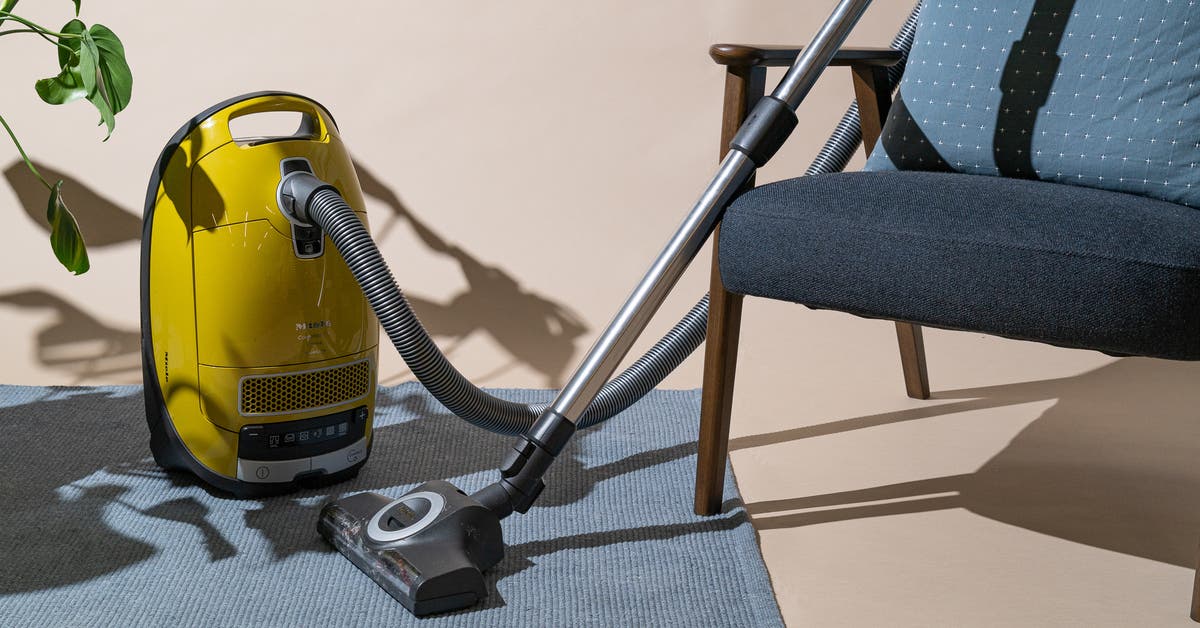
Back in 2014, the Miele I purchased cost about $400 (the model has since been discontinued, but it has specs that are very similar to those of this Classic C1 Turbo.) I’ve had it for over ten years and will likely use it for a few more, before I upgrade to a new model. Even with the cost of the replacement bags, that’s a much better value than a $300 vac that dies on me after a few years.
The robust filtration also turned out to be essential. When my second kid was about 18 months old, she developed rough, inflamed patches of eczema all over her arms and legs that she’d scratch bloody. We discovered she has a major dust mite allergy. At the time I had cheaped out (again! it’s a trend) and was using flimsy, off-brand vacuum bags. Once I switched back to Miele’s bags, her skin calmed way down. (Investing in HEPA air purifiers also helped.)
The reason Miele vacuums filter dust so well is that they use self-closing bags and rubber gaskets throughout the system, to keep dirty air from leaking out of the canister. You can also buy a HEPA filter for Miele vacs, but it’s likely worth it only for people with asthma or allergies.
Miele sells over a dozen different bagged canister vacuums, ranging from roughly $400 to $1,800. You definitely don’t need the most expensive model. The one to get really depends on your floors. I have hardwoods and throw rugs, so I’m good with a basic model. I don’t even use the cleaning head for carpets. But if you do have low-pile carpets, you’ll probably want one with an adjustable bleed valve, like the Miele Guard M1, which we recommend as the runner-up in our guide.
All of the Miele canister vacuums basically have the same canister (though some are smaller or larger, and some seal a little better). After years of testing, we’ve found that the biggest differences between lower- and higher-end models are whether they have an electric or air-powered cleaning head, whether they have a crush-proof hose, and how you control the cleaning settings. To help you pick the best model for your needs, we recommend a few Miele canister vacuums in our guide, but they’re all good and here’s why:
- The build quality makes them light but strong. They’re impressively sturdy, without feeling clunky, and they rank among the quietest vacuums you can buy.
- Miele reps told us the company designs the motors to last for 1,000 hours, which equals roughly one hour per week for 20 years.
- Miele has a wider service network than other high-end vacs do.
- The filtration is excellent. If you or someone in your family has asthma, allergies, or any other condition affected by indoor air quality, Miele canister vacuums can measurably help (especially if you use the Miele bags).
One should note, though, that Miele reduced its warranty to three years for the Complete series (and one year for its Classic series) in 2020.